Farewell to John Fairest: A Year of Dedication to Dads Advocates

Farewell to John Fairest: 


A Year of Dedication to Dads Advocates

Join The Coalition Facebook Instagram Youtube Linkedin

Dear Dads Advocates Community,


It is with mixed emotions that we bid farewell to John Fairest, who has dedicated an entire year to advancing the mission and goals of Dads Advocates. John has been an invaluable member of our team, contributing his time, expertise, and passion to the cause of supporting separated fathers in their journey through the family court system.


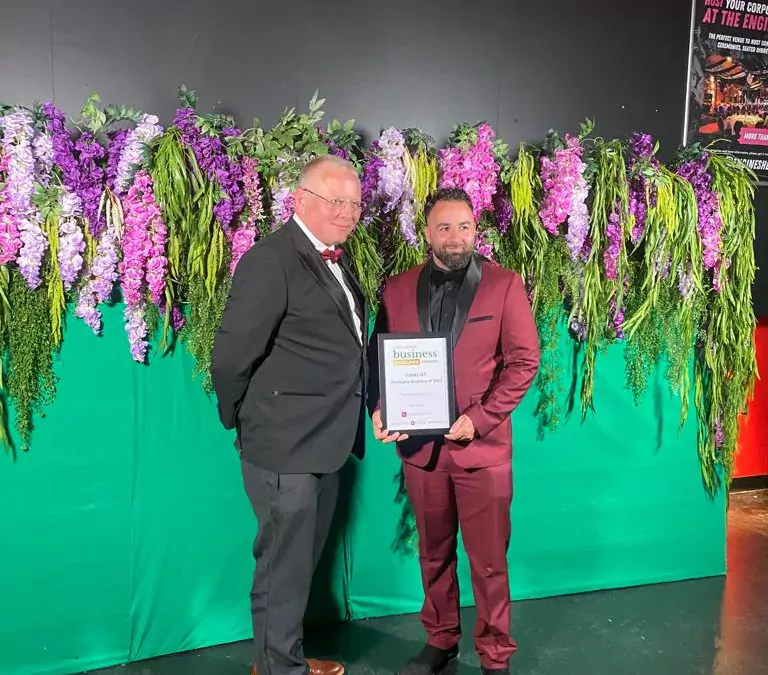
dads advocates newark business charity not for profit awards separated dads help family court custody cms

John’s Dedication to Dads Advocates: Over the past year, John has played a pivotal role in enhancing the impact and reach of Dads Advocates. His commitment to our shared cause has been evident in every project, initiative, and piece of advice he provided to our community.


A Tribute to Dads: John’s departure is not just a farewell; it’s a celebration of the importance of the role of Dads. Throughout his time with us, John has consistently emphasised the critical role Dads play in a child’s well-being. His hope is that society will increasingly recognise and value the impact of involved fatherhood on a child’s life.

If you would like to be part of the Dads Advocates Team in making a different to Dads and their children please contact Dads Advocates at info@dadsadvocates.com.

The Dads Advocates Team

BBC Promoting Fatherless Britain Exposed: Breaking the Chains of Inequality for Dads Encouraged by the BBC

Subject: Support for Dads and their Views – Addressing Issues Raised in the BBC Article found at https://www.bbc.co.uk/news/uk-66534732

Dear BBC,

I would like to express our support for dads and address some of the issues raised in the recent BBC article. At Dads Advocates CIC, we firmly believe that domestic abuse is harmful to both children and victims, and we are committed to promoting the well-being of all individuals involved in these situations. Our research has shown that domestic abuse is not a gender-based crime, and it is crucial to approach it with a comprehensive understanding of its complexities.

Studies have indicated that successful rehabilitation of perpetrators of domestic abuse is possible, emphasising the importance of appropriate intervention and support for both parties involved. However, it is equally important to recognize the profound impact that the absence of a father can have on a child’s life, and the consequences of not having a father figure present can be detrimental to a child’s development.

While acknowledging the seriousness of domestic abuse, it is crucial to address and rectify the current system’s shortcomings. Our research has revealed alarming statistics, indicating that only 2% of mothers receive any form of punishment for breaking child arrangements orders. This lack of consequences not only fosters an environment that encourages mothers to treat children as possessions but also perpetuates the harmful narrative that fathers have no rights and no recourse to enforce court orders.

The existing legal framework should work towards creating a more balanced approach that upholds the rights of both parents while prioritising the best interests of the child. It is essential to ensure that individuals who breach court orders face appropriate consequences and that the system discourages child abduction and non-compliance.

At Dads Advocates, we advocate for a fair and unbiased family court system in which the rights and responsibilities of both parents are recognised and respected. Our mission is to support separated dads in establishing safe, consistent, and meaningful relationships with their children while addressing the complexities of domestic abuse and ensuring the well-being of all parties involved.

If you have any further questions or require additional information about our organisation’s work, please do not hesitate to reach out. We encourage all Dads and their supports to contact the BBC direct to complain about the biased article and the damage it does to an already tragic situation our children face as they are are raised without a Father. The exact details where your can make a difference and complain are below.

Sincerely,

Nathan Wilson
Founder of Dads Advocates CIC


To get support from Dads Advocates via confidential telephone consultation (up to 60 minutes) with one of our experienced caseworkers who will give you expert, help, support and advice on your case and advise you on next steps and how to successfully manage your case without paying solicitors fees.

During this call you will be able to explain your circumstances to a trained mentor. You can BOOK HERE

To contact the BBC regarding a particular article, you can generally reach out to their official contact channels. Here are a few ways to get in touch with them:

  1. BBC Complaints: The BBC has a dedicated complaints process where you can raise your concerns about specific articles. Visit the BBC Complaints website (www.bbc.co.uk/contact/complaints) to find the appropriate form and guidance on how to submit a complaint.
  2. BBC Feedback: Another option is to provide feedback directly to the BBC through their feedback channels. Visit the BBC Feedback website (www.bbc.co.uk/contact/feedback) to access their online contact form and provide your comments.
  3. Social media: The BBC is active on various social media platforms. Engaging with them on platforms like Twitter or Facebook by sharing your concerns and tagging the BBC may draw attention to your issues.
  4. BBC Editorial Complaints Unit: If you believe that the article in question breaches the BBC’s Editorial Guidelines, you can escalate your complaint to the BBC’s Editorial Complaints Unit. They handle complaints that involve breaches of editorial standards. Visit the BBC Editorial Complaints Unit website (www.bbc.co.uk/contact/editorialcomplaintsunit) for guidance on making a complaint.

When reaching out to the BBC, it is important to provide specific references to the article in question, clearly outline your concerns, and provide any supporting evidence or alternative viewpoints you may have. Be clear, concise, and respectful in your communication to increase the chances of a meaningful response.

Remember that the BBC receives a high volume of feedback and complaints, and it may take some time for them to respond. If you do not receive a satisfactory response, you may want to consider seeking further guidance from legal professionals or exploring alternative avenues to share your perspective.

Depp v Heard – Male sufferers of Domestic Abuse

Samuel Mackrill
Family Trainee in Lincoln writes

I spent some time speaking to the Founder of Dads Advocates, Nathan Wilson, about his experience with male victims of domestic abuse and those who have been able to get to a refuge. He informed me that despite certain organisations advertising that they do take in male victims of domestic violence, many of the men who come to him have been turned away, leading to yet another uncomfortable truth; even if the courage is summoned to seek help with their experiences, the scepticism and stigma attached to male victims of domestic violence is enough for refuges to seemingly make efforts to avoid putting their name to their letters which the victim can provide to a firm like us to apply for Legal Aid, presumably, to avoid repercussions if that victim turned out to be no victim at all.

Because of this, rather than spending a fortune on legal fees, many men make these applications and attend Court proceedings by themselves as litigants in person. This means that these men are at a significant disadvantage when it comes to the scrutiny of Court proceedings when they otherwise should have obtained the support to which they may well be entitled. Legal Aid is a luxury that seems out of reach for them; unfortunately, until the status quo shifts, I don’t see this changing.

While this might not be explicitly related to the Depp v Heard trial, it plays a significant role in the wider issue at hand; when it comes to domestic abuse, men are underrepresented in society at an astonishingly low level.

Thankfully, organisations such as Dads Advocates and the ManKind Initiative are on the up and come to support men who have found themselves in abusive relationships and are struggling with escaping them. They provide advice and even courses on how to deal with their circumstances from people, like Nathan, who have experienced it first-hand.